

1. 3D printing
3D printing is now often used to make prototypes for unit price and small batches, which can be used to test prototypes for appearance, structure and performance.
The photosensitive resin selective curing rapid prototyping technology is suitable for the production of small and medium-sized workpieces, and can directly obtain resin or similar engineering plastic products. The prototype of photosensitive resin rapid prototyping has good surface quality, high system resolution and high molding accuracy, and is often used as an appearance and structural prototype.
Nylon material has high printing strength and toughness, but the surface has a frosted powder feel. Generally, it is not used for proofing of appearance parts. It is often used to make functional prototypes. Metal materials can also be used for printing. For metal prototypes, the surface of metal printing is the same. It has a matte powder feel.
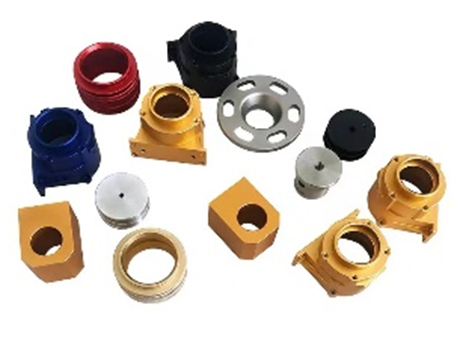
CNC is widely used in the machining industry, and the technology is relatively mature. For hand board processing. The effect and accuracy are also very good. The first method of prototyping is considered, but the cost is high. There are many materials suitable for the prototype, metal parts and plastic parts other than silicone and soft rubber.
The complex mold refers to using the original template to make a silicone mold in a vacuum state, and pouring it with PU material in a vacuum state, so as to reproduce the same replica as the original template. It is mainly used for the production of plastic prototypes, and can also be made of silicone or soft rubber prototypes. Its characteristics are that it does not need to open the mold, the molding speed is fast, and the production cost is low. One silicone mold can make about 20 plastic parts, which is suitable for small batch customization.