

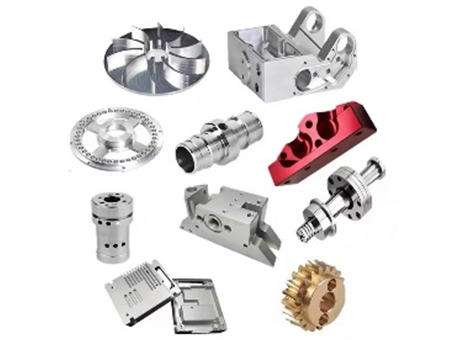
Why distinguish conventional CNC machining from precision CNC machining?
The key is "mass production units". Precision machining refers to multiple or multiple units. It is possible to have one exact part, but there must be many parts that need to be measured and compared to be called accurate. For example, if someone asked to create a single part using precision CNC machining, it would be counterintuitive because the "precision" in machining would involve multiple parts.
If we continue to consider our hypothetical MSA, the measurement system of 's might not be the problem either. Maybe actually got good measurements, but the parts aren't as precise as they need to be. There are many ways to improve the accuracy of CNC machined parts.
A good first step is to consider the design from a DFM perspective. Many DFM principles will also help improve part accuracy. The five design parameters to be aware of are geometry, material, tolerances, part size and appearance. The effort drivers for these parameters are also related to accuracy-the more effort it takes to machine these parts, the more effort it takes to machine them accurately.
A particularly important aspect is tolerance. Precision machining is all about staying within tolerances at all times. For example, the stiffness of the entire system is a key driver of tolerance and accuracy. There is a line of compliance between the workpiece, the workholding method, the tool, and the machine itself. Any reduction in stiffness along this path could result in deflection and flutter, which could result in inaccurate dimensions. To increase the precision of your CNC machining process, ensure that the system (workpiece, workholding, tool and machine) is optimized for stiffness.